Week 8 ( Mar 25 - 29)
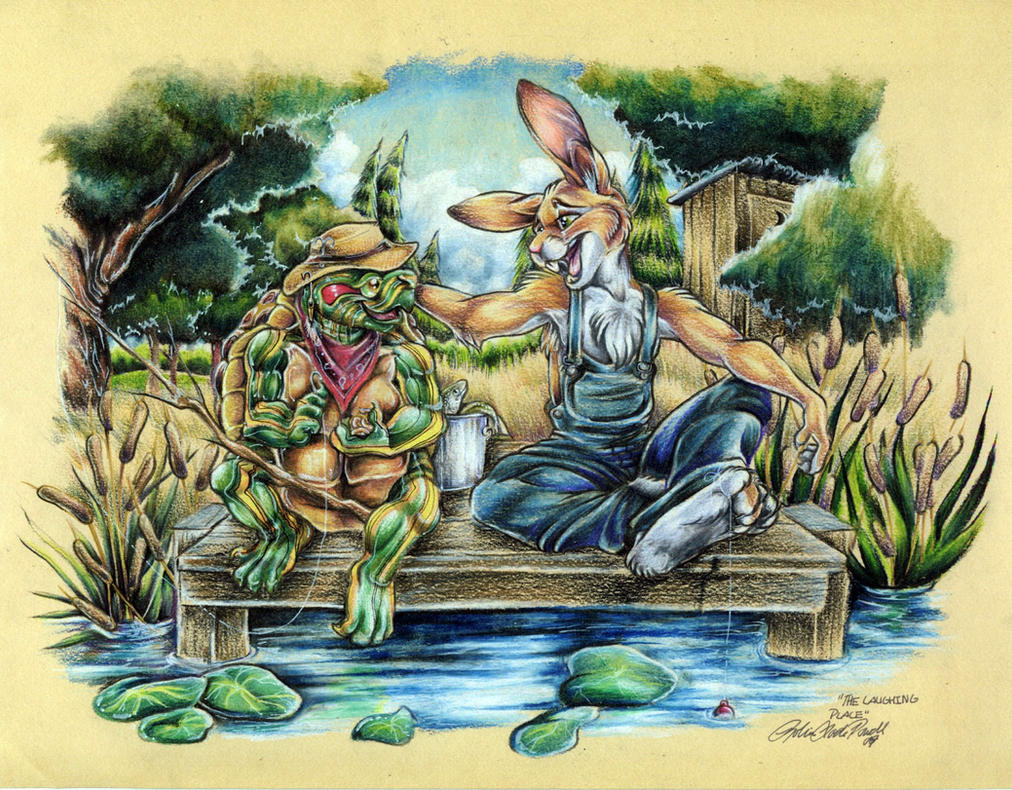
This week, we had a guest presentation from Dr. Ochieng' K'Olewe- a Kenyan storyteller. I really enjoyed this presentation because the stories were new stories to me and they were relevant to the information that he was trying to teach to the class. This put in perspective for me, just how convenient storytelling could be for parents and village elders who are trying to convey a particular message to young children and even young adults. I don't feel as though I would see any type of connection between the hardships I have faced in my life and the fairy tales that I was exposed to as a youth; However, I can imagine had I grown up in a community, such as the one Dr. K'Olewe, that I would have made a lot less error because I would have more applicable stories to refer to.
I feel like an important factor of what makes Kenyan storytelling so unique is the fact that every time the story is told, the storyteller claims ownership and can tweak the story to fit the message THEY want to send. Second most important factor would have to be the fact that the events, characters and implicit messages are constantly being modernized so the same story can be made relevant to people of all ages and in different time periods. Aside from these two factors, Kenyan stories are also different from the other stories that we've read about because they also don't necessarily have a set structure to them (whereas the fairy tales we've read in class include certain motifs and functions) and these stories would be a lot harder to classify.
Monday, March 4, 2019
Week 5 (Feb 25 - Mar 1)
In "Sonne", Snow White is portrayed as a dominant, promiscuous bad-ass, who needed more R-rated methods of poisoning. On the other hand, in all the "Snow White" versions listed in Maria Tatar's book as well as they Disney version, she is more naïve and plays more into society's expectations of women. Similarly, they all have a character being poisoned and placed in a coffin to be admired, and ends with the character awakening.
In The Young Slave, the niece of Baron is put under a spell at birth and before she is cursed to die, her mother places her in a glass coffin to spare her. Eventually the mother dies and the wife of the Baron eventually finds her and makes her into a slave. When the Baron overhears the story recollection of the slave, she is hidden for several days and then asked to recall her story yet again to an entire banquet of people which eventually runs the wife off.
In the Brother's Grimm edition of Snow White, the stepmother tries to kill Snow White three times, but each time the dwarfs come home and undo the damage. Finally she is given a poisonous apple that causes her to die before anyone can try to help her. When the dwarfs come home, they build a glass coffin for her, where she sat until the prince demanded to house her. However, the jolting getting from up top of the mountain caused the bitten apple piece to fall out of her throat causing her to wake up yet again. When she awoke she instantly fell in love with her Prince and they got married, at which the invited stepmother attended and was forced to walk over hot coal in iron shoes until she died.
In Lasair Gheug, the King of Ireland's Daughter, the daughter is framed by her step mother for three crimes. Her dad cuts off one finger for each crime committed and sends her into the woods with two poaches of currency. While in the woods, she ran into twelve cats and a one-eyed cat, whom had been put under a spell by the leader cat's step mother. The daughter is able to manipulate the twelve cats using the currency she was given and therefore the leader cat decided she would be allowed to stay for supper. After the spell was loosened, the two got married and had three unchristened children. Meanwhile the stepmother send twelve of her maids to deliver a spell-filled box for the daughter and her kids. Anxiously, she opened the box alone and therefore only killed herself. The Prince's second-wife brings the "Snow White" back to life and she tells her story which rekindles the relationship between her and her father.
In "Sonne", Snow White is portrayed as a dominant, promiscuous bad-ass, who needed more R-rated methods of poisoning. On the other hand, in all the "Snow White" versions listed in Maria Tatar's book as well as they Disney version, she is more naïve and plays more into society's expectations of women. Similarly, they all have a character being poisoned and placed in a coffin to be admired, and ends with the character awakening. In The Young Slave, the niece of Baron is put under a spell at birth and before she is cursed to die, her mother places her in a glass coffin to spare her. Eventually the mother dies and the wife of the Baron eventually finds her and makes her into a slave. When the Baron overhears the story recollection of the slave, she is hidden for several days and then asked to recall her story yet again to an entire banquet of people which eventually runs the wife off.
In the Brother's Grimm edition of Snow White, the stepmother tries to kill Snow White three times, but each time the dwarfs come home and undo the damage. Finally she is given a poisonous apple that causes her to die before anyone can try to help her. When the dwarfs come home, they build a glass coffin for her, where she sat until the prince demanded to house her. However, the jolting getting from up top of the mountain caused the bitten apple piece to fall out of her throat causing her to wake up yet again. When she awoke she instantly fell in love with her Prince and they got married, at which the invited stepmother attended and was forced to walk over hot coal in iron shoes until she died.
In Lasair Gheug, the King of Ireland's Daughter, the daughter is framed by her step mother for three crimes. Her dad cuts off one finger for each crime committed and sends her into the woods with two poaches of currency. While in the woods, she ran into twelve cats and a one-eyed cat, whom had been put under a spell by the leader cat's step mother. The daughter is able to manipulate the twelve cats using the currency she was given and therefore the leader cat decided she would be allowed to stay for supper. After the spell was loosened, the two got married and had three unchristened children. Meanwhile the stepmother send twelve of her maids to deliver a spell-filled box for the daughter and her kids. Anxiously, she opened the box alone and therefore only killed herself. The Prince's second-wife brings the "Snow White" back to life and she tells her story which rekindles the relationship between her and her father.
My favorite version of Snow White is The Young Slave because it tells a more complete story as to where the biological mother is and has a more realistic ending- instead of the step mother dying or any other mythical alternative, she simply is cast away due to shame and embarrassment. I honestly felt that this might also be teaching children that there are alternative ways to deal with problems aside from stooping down to the other person's level.
Sunday, February 24, 2019
Week 4 (Feb 18 - 22)
Fairytales, at face value, are meant to entertain children through the use of magic, youthful wisdom and the dream of everyone having a piece of true love and happiness. Deceivingly, the intended messages of these fairytales often are primarily surrounded by societal norms of the expectation for children, especially girls. By analyzing two fairytales, Little Red Riding Hood and Beauty and The Beast, we will discuss the issue of women in fairytales.
In Little Red Riding Hood (LRRH), in reference to the Brother's Grimm version, a young girl is on her way to deliver goods to her ill grandmother who lives a way from the village she lives in. Along the journey she is sidetracked by a wolf who tricks her into telling him about her plans for the day. The wolf takes advantage of this opportunity by eating the grandmother and disguising as her until LRRH arrives. She too is then eaten by the wolf, but then later saved by a lumberjack whom cuts open the wolf and fills him with stones. This caused the wolf to die and allowed LRRH to live happily ever after.
Symbolically, the story is telling the puberty ritual experienced by young girls. In most versions, the young girl is described as the most attractive female in the village and having some eye-catching feature, which is typically a mature red color. This color choice is believed to stand for menstruation, which coupled with her solo journey away from her home, which symbolizes her leaving a state of her dependence on her parents. It is then suggested that her naivety to the wolf's foolery, both in the woods and in the house, and the disregard of her mother's stern words was her subconscious sexual drives. This is reinforced by the fact that LRRH still climbed into bed with him, against her "staged" suspicions. Lastly, her being eaten by the wolf, symbolizing him taking her virginity, and then her later being cut out, symbolizing her being reborn into adulthood, reinforce the idea that the overall message of LRRH is about the transition from young girl to womanhood.
On the other hand, in Beauty and The Beasty (BATB) is the story of a young girl, whom has to make some sort of sacrifice that separates her from her family and forced into the home of a beast. She is then given bad advice from a relative, which causes turmoil in the relationship between the beauty and the beast and is sent on a quest to get him back. After which, he returns to human form and they live happily ever after.
Symbolically, this story is intended to soothe the marital anxieties experienced by young girls in arranged marriages. This is shown immediately by the young girl being forced to make the sacrifice for the family, since her hand in marriage was usually traded between families. The monstrous appearance of the beast is meant to exaggerate the physical characteristics of an older man in the eyes of a young girl (bearded face, chest, leg, and arm hair, etc.). The overall quest, and it's completion, is meant to symbolize the extent in which beauty goes in order to restore the relationship between her and the beast to represent the idea that young girls will eventually learn to love their new husbands. The revealing of the beast in human form, represents the way in which beauty finally accepts him for hid true self and shows the dehumanization of the beast.
Fairytales, at face value, are meant to entertain children through the use of magic, youthful wisdom and the dream of everyone having a piece of true love and happiness. Deceivingly, the intended messages of these fairytales often are primarily surrounded by societal norms of the expectation for children, especially girls. By analyzing two fairytales, Little Red Riding Hood and Beauty and The Beast, we will discuss the issue of women in fairytales.
In Little Red Riding Hood (LRRH), in reference to the Brother's Grimm version, a young girl is on her way to deliver goods to her ill grandmother who lives a way from the village she lives in. Along the journey she is sidetracked by a wolf who tricks her into telling him about her plans for the day. The wolf takes advantage of this opportunity by eating the grandmother and disguising as her until LRRH arrives. She too is then eaten by the wolf, but then later saved by a lumberjack whom cuts open the wolf and fills him with stones. This caused the wolf to die and allowed LRRH to live happily ever after. Symbolically, the story is telling the puberty ritual experienced by young girls. In most versions, the young girl is described as the most attractive female in the village and having some eye-catching feature, which is typically a mature red color. This color choice is believed to stand for menstruation, which coupled with her solo journey away from her home, which symbolizes her leaving a state of her dependence on her parents. It is then suggested that her naivety to the wolf's foolery, both in the woods and in the house, and the disregard of her mother's stern words was her subconscious sexual drives. This is reinforced by the fact that LRRH still climbed into bed with him, against her "staged" suspicions. Lastly, her being eaten by the wolf, symbolizing him taking her virginity, and then her later being cut out, symbolizing her being reborn into adulthood, reinforce the idea that the overall message of LRRH is about the transition from young girl to womanhood.
On the other hand, in Beauty and The Beasty (BATB) is the story of a young girl, whom has to make some sort of sacrifice that separates her from her family and forced into the home of a beast. She is then given bad advice from a relative, which causes turmoil in the relationship between the beauty and the beast and is sent on a quest to get him back. After which, he returns to human form and they live happily ever after.
Symbolically, this story is intended to soothe the marital anxieties experienced by young girls in arranged marriages. This is shown immediately by the young girl being forced to make the sacrifice for the family, since her hand in marriage was usually traded between families. The monstrous appearance of the beast is meant to exaggerate the physical characteristics of an older man in the eyes of a young girl (bearded face, chest, leg, and arm hair, etc.). The overall quest, and it's completion, is meant to symbolize the extent in which beauty goes in order to restore the relationship between her and the beast to represent the idea that young girls will eventually learn to love their new husbands. The revealing of the beast in human form, represents the way in which beauty finally accepts him for hid true self and shows the dehumanization of the beast.
Monday, February 18, 2019
Week 3 ( Feb 11-15)
This week was focused on Little Red Riding Hood, so I found an inspired story from Ghana, Africa, called Pretty Salma.
. In this story, Salma, who lives with her grandparent, is sent to go to the market for her grandmother with the specific instructions of going straight there and back, and especially not to talk to any strangers. As the story proceeds, the combination of the basket of goods and the sun beaming down on her, she decided to take a shortcut where she ran into Mr. Dog, who then begins to befriend Salma through showing interest in her song and insisting on helping her with her trip. This quickly reveals to be a trick to imitate Salma's look and when she requests her belongings back, Mr. Dog threatens to eat her if she disobeys his commands. When Mr. Dog finally allows her to leave, she runs to her grandfather to devise a plan on how to save her grandmother. Meanwhile, Mr. Dog had already reached Grandma, who had her suspicions that something was off about this "Salma". Once her sucpisions were confimed, through the singing of her and Salma's favorite song, she became so frightened that she jumped in the pot. Before Mr. Dog could attempt to eat the grandmother, Salma and her grandfather rushed in with masks and scared Mr. Dog with their musical instruments.
I personally enjoy this version of LRRH because this version was more relatable to my childhood than the more popular versions. I remember being sent to the store for a number of goods, most which kids are not legally allowed to purchase, with the expectation of getting back home without any harm to me or her goods. It was relieving to have a version that doesn't portray the LRRH character, Salma, as being super naïve and instead shows how sometimes children can be easily manipulated by people. I feel like this is a more beneficial message to send to kids because they are more likely to run into someone who treats them nicely rather than someone who overtly shows their malicious intentions. Because of this, I believe that this cartoon is more of a social cartoon because it didn't have any implicit political messages being portrayed in it.
Daly, N. (2006). Pretty Salma: A Little Red Riding Hood Story From Africa. Francis Lincoln Children's.
Sunday, February 10, 2019
Week 2 (Feb 4-8)
A story is a description of events experienced by real or imaginary people for the purpose of entertainment. Because there are so many stories being created everyday, via oral speech and written literature, there has been categorical labels created to group these stories based on similarities, which we call genres. This blog will focus largely on two genres- folk tales and fairy tales.
A folk tale, or märchen, is a genre of stories passed through by oral tradition and usually has a heavier emphasis on cultural. In class, we discussed how folk tales have a universal and timeless theme that focuses on explaining how the world works, which is why they usually have a simple layout of events. This simplicity also helps people memorize the story so that it can be retold again. Since these stories can be retold several times, they are considered public stories where anybody could reproduce, or edit without any legal punishment because essentially they don't belong to anyone.
On the other hand, a fairy tale, or Zaubermärchen, is a subgenre within folk tales so it includes most of the characteristics of folk tales but the difference between the two is that fairy tales include an added element of or enchantment to them. Since these stories are written, they are given the ability to have much more complex storylines and characters and often have specific and fixed settings. Another major difference is that fairy tales are actually written by someone and therefore, has ownership and copyright. (250)Sunday, February 3, 2019
Week 1 (28-1)
I took this class because I really like fairy tales. As a child, my mother and I would watch HBO "Happily Ever After" and it gave me a reason to look forward to Saturday mornings. I think my favorite fairy tale would be Beauty and the Beast or Princess and the Frog because they both highlight the fact that love is not always found in the most physically attractive people. I enjoy these fairy tales more than the others because the concept that personality or a spiritual connection being the most important factor in relationships has a more realistic and reasonable tone that young girls can hope for.

I am hoping that this course will help me to analyze the implicit ways that women and minorities are portrayed in fairy tales. Being that I fit both marginalized populations, I am especially intrigued to learn more on the way that other cultures view the two social identities. Furthermore, being that I want to work as a school social worker, I would love to use some of the messages and maybe some of the motifs as a mean to encourage disadvantaged youth to keep dreaming, and working, for better days. (200)
Subscribe to:
Posts (Atom)